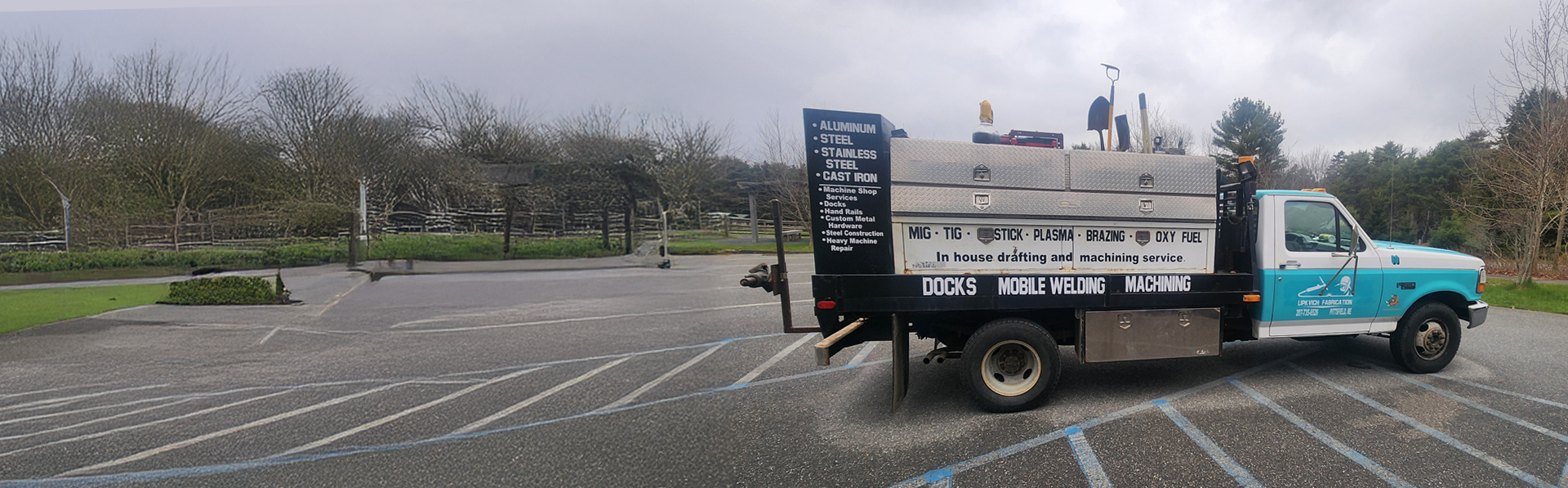
Shop Tools
In our shop, tools are more than machines — they represent capability, accuracy, and confidence. At Lipkvich Fabrication, we invest in high-quality equipment so that when you bring us a design, a repair, or a custom build, we have the mechanical power to deliver it reliably. Below is a comprehensive look at our shop tools, the benefits they bring, and how they support the work you entrust to us.
Why Our Tooling & Equipment Matter
Having the right tools is foundational to precision metalwork. The difference between “this will probably work” and “this will last for decades” often lies in the tolerances, stability, and consistency that shop tools deliver. Here’s what our equipment setup gives you:
-
Precision & Accuracy — Modern mills, lathes, grinders, and fixturing allow us to hold tighter tolerances.
-
Repeatability — For parts or subassemblies that must match or interchange, our tools let us replicate geometry reliably.
-
Flexibility — With a range of machines, we can handle small components one day and structural frames the next.
-
In-House Control — Fewer outsourcing steps, quicker turnarounds, and direct responsibility for every machining or fabrication step.
-
Maintenance & Upkeep — We maintain, calibrate, and upgrade our tools so they stay dependable.
Core Shop Tools & Equipment (Sample List)
Below is a representative list of the kind of tools and machines you might find in our shop. As you integrate this into your site, you’ll want to replace placeholders or “types” with the actual models, capacities, and photos from your facility.
Conventional & Manual Machines
-
Manual mills and vertical mills for setup, fixturing, and smaller jobs
-
Engine lathes, manual lathes, and trailing-tool lathes
-
Radial drills, turret drills, drill presses
-
Horizontal and vertical band saws
Grinding & Finishing
-
Surface grinders (magnetic chuck or manual)
-
Cylindrical grinders (OD and ID)
-
Belt grinders, bench grinders, deburring stations
-
Polishing, flap wheels, finishing machines
Welding, Fabrication & Structural Tools
-
Weld tables and heavy fixtures for jigs and welding assemblies
-
MIG / TIG / stick welding machines
-
Plasma or oxy-fuel cutting equipment
-
Sheet metal brakes, shear, rolling or forming tools
-
Punches, notches, edging tools
Cutting, Sawing & Prep
-
Cold saws, chop saws, cutoff saws
-
Band saws (horizontal and vertical)
-
Shears, shearing benches, plate shears
Hand Tools, Measuring & Metrology
-
Calipers (digital, dial), micrometers, indicators
-
Height gauges, surface plates, angle plates
-
Bore gauges, dial bore indicators, plug gauges
-
Torque wrenches, tie-down fixtures, setup tooling
-
CMM (coordinate measuring machine) or portable measuring arms
-
Gage blocks, square sets, inspection benches
Material Handling & Shop Infrastructure
-
Overhead cranes, jib cranes, gantry cranes
-
Forklifts, hoists, lifting beams / spreaders
-
Fixture carts, workstations, tool drawers
-
Coolant systems, chip evacuation, extraction fans
-
Vises, clamps, fixture tooling, tombstones
Organizing & Integrating Tools Into Workflow
Having top-tier equipment is one thing. Integrating them so they flow in your process is another. At Lipkvich Fabrication, we organize our shop layout, scheduling, and maintenance with these key principles:
-
Logical Layout — Machines are arranged by process flow (e.g. cutting → milling → finishing) to reduce handling and reduce cycle time.
-
Shared Fixturing — Fixtures and tooling are modular so multiple machines can reference the same setup or alignment.
-
Preventive Maintenance & Calibration — Every machine is maintained regularly, aligned, and checked so that performance stays within spec.
-
Cross-Training & Flexibility — Technicians know multiple tools, so when a machine is down or at capacity, work can shift easily.
-
Tooling Libraries & Tool Management — We maintain a tooling inventory (end mills, inserts, drills, cutters) categorized for quick recall.
-
Safety & Quality Protocols — Every machine operation includes safety checks, setup validation, speed/feed checks, and post-operation verification.
How Our Tools Support Key Services
Below are examples of how various shop tools tie back into your actual service offerings:
| Service / Capability | Tool / Machine Used | Why It Matters |
|---|---|---|
| Heavy Equipment Repair | Turning centers, grinders, weld tables | Rebuild shafts, repair bores, fix structural frames |
| Fabrication & Weldments | Weld tables, MIG/TIG, plasma cutter | Assemble structural units with correct geometry |
| Prototyping & Small Runs | Setup mills, manual machines, fixture tools | Quick turn from prototype to testable piece |
Capacity, Tolerance & Load Considerations
When selecting or listing shop tools, it’s useful to specify:
-
Maximum size / travel (X, Y, Z axes)
-
Workpiece weight capacity
-
Spindle speed, feed rates, horsepower
-
Repeatability and positioning accuracy
-
Tool changer capacity
-
Surface finish tolerances and achievable dimensions
These details help potential clients understand what kind of parts or structures you can handle. For example: “Our 5-axis milling center has a 48″ × 60″ table, 24″ Z travel, and can handle up to 3,000 lb workpieces with positioning to 0.0002″.”
Maintenance, Calibration & Upkeep
An excellent shop is only excellent if it’s maintained. We commit to:
-
Regular calibration of measuring tools
-
Weekly or monthly preventative service on motors, belts, coolant, alignment
-
Tool inspection (wear, chipping, sharpening)
-
Machine upgrades, spindle tuning, alignment checkups
-
Documented maintenance logs and inspection records
Safety, Ergonomics & Shop Best Practices
Shop tools are powerful; using them safely is critical. We adhere to:
-
Proper guarding, shielding, and operator PPE (goggles, gloves, face shields)
-
Clear floor layouts, marked aisles, good lighting
-
Lockout / tagout procedures, electrical safety
-
Training for safe machine operation
-
Ergonomic setups (lift assists, rollers, overhead cranes)
Choosing the Right Tool for Your Project
If you come to us with a project, here’s how we decide tool allocation:
-
Part size, material & geometry — determines milling vs turning, size of machine
-
Tolerance & finish requirements — decide whether grinder, mill finishing, or higher-end machine
-
Quantity & repeatability — choose machines with automation or CAM when multiples are needed
-
Material handling needs — heavier parts might need crane support or larger machines
-
Lead time & cost balance — select the most efficient toolset without overkill
How to Present This on Your Website
When you integrate this content into your “Shop Tools” page:
-
Include photos or a slider of your actual machines
-
Possibly a table listing key machines with specs
-
A “Why this matters to you” section to tie tools to client benefits